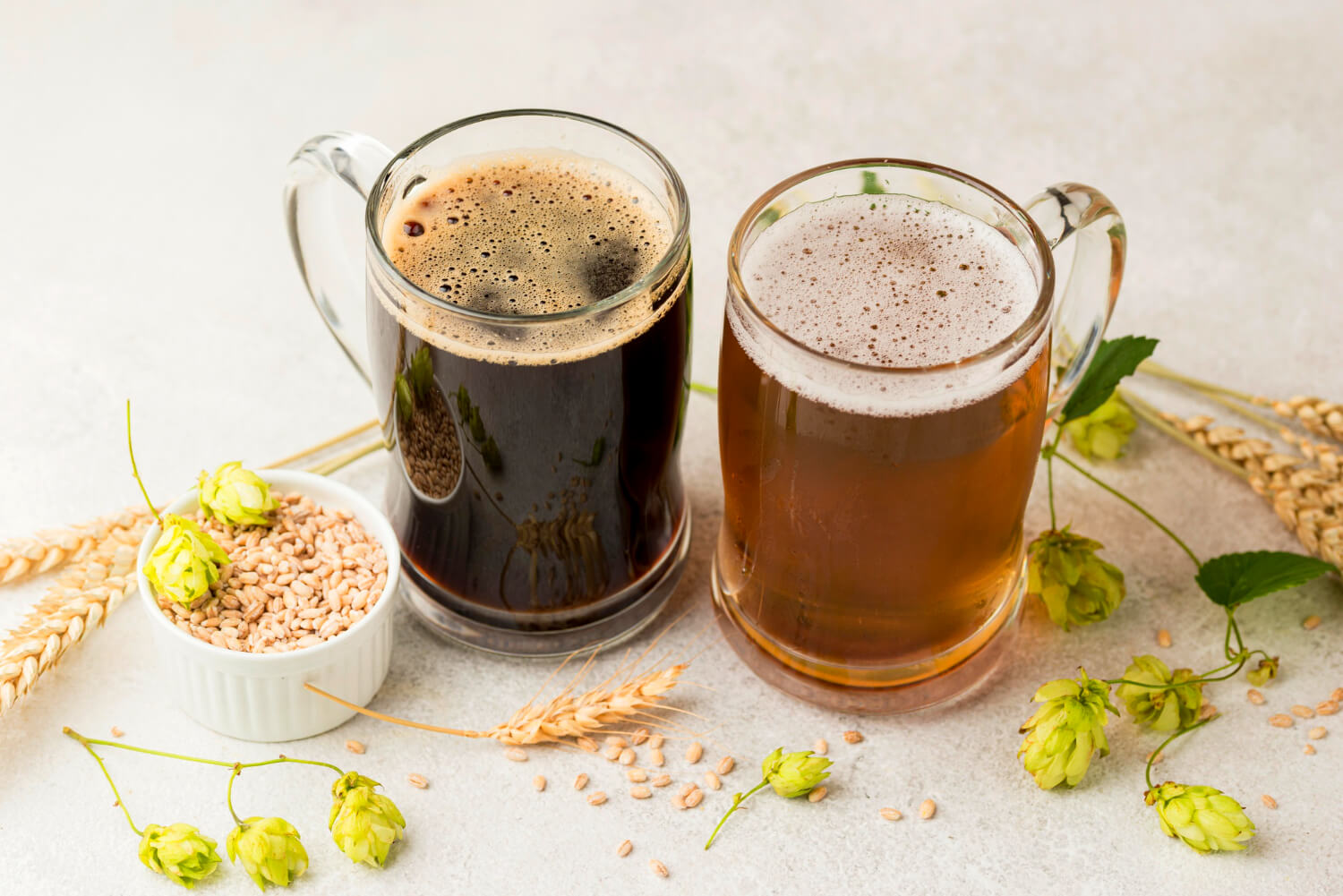
Looking at supermarket shelves and tap lines in craft beer venues in 2026, one thing is clear: non-alcoholic beer is no longer a niche—it is a dominant growth engine of the entire beverage industry. We have moved beyond the stage where the challenge was simply to create a drink that “tastes like beer, but without alcohol”. Today’s consumer has significantly higher expectations. So what trends will shape the market this year and in the years to come? The directions are highly dynamic and revolve around technology, functionality, and extreme flavour experiences.
First: Functional beers
The most popular flavored alcohols for spring and summer 2026 a period of absolute boom for products with added value. Non-alcoholic beer is naturally a good isotonic beverage (it contains B vitamins, polyphenols, and minerals), but breweries are taking this concept a step further. We are seeing the inclusion of additional electrolytes in non-alcoholic brews, as well as adaptogens such as ashwagandha and L-theanine, and even collagen or vitamin C.
Consumers increasingly treat 0.0% beer as a post-workout drink or a cognitive support beverage for work and focus. The boundary between traditional brewing and the sports nutrition and dietary supplement markets is becoming increasingly blurred.
Second: Hyper-precise dealcoholisation technologies
While fermentation arrest methods using specialised yeast strains (e.g. Saccharomycodes ludwigii) remain popular, the future clearly belongs to physical dealcoholisation based on reverse osmosis and advanced vacuum distillation. In 2026, these technologies have become sufficiently accessible and optimised to allow the removal of alcohol from conventionally brewed beer with near-zero loss of its aromatic profile.
A key recent innovation is the recovery of volatile aromas—esters and hop-derived terpenes—that are lost during the dealcoholisation process, followed by their reintroduction into the finished non-alcoholic product. The result is a flawless flavour profile capable of misleading even certified beer judges in blind tastings.
Third: The evolution of hop waters and fruit hybrids
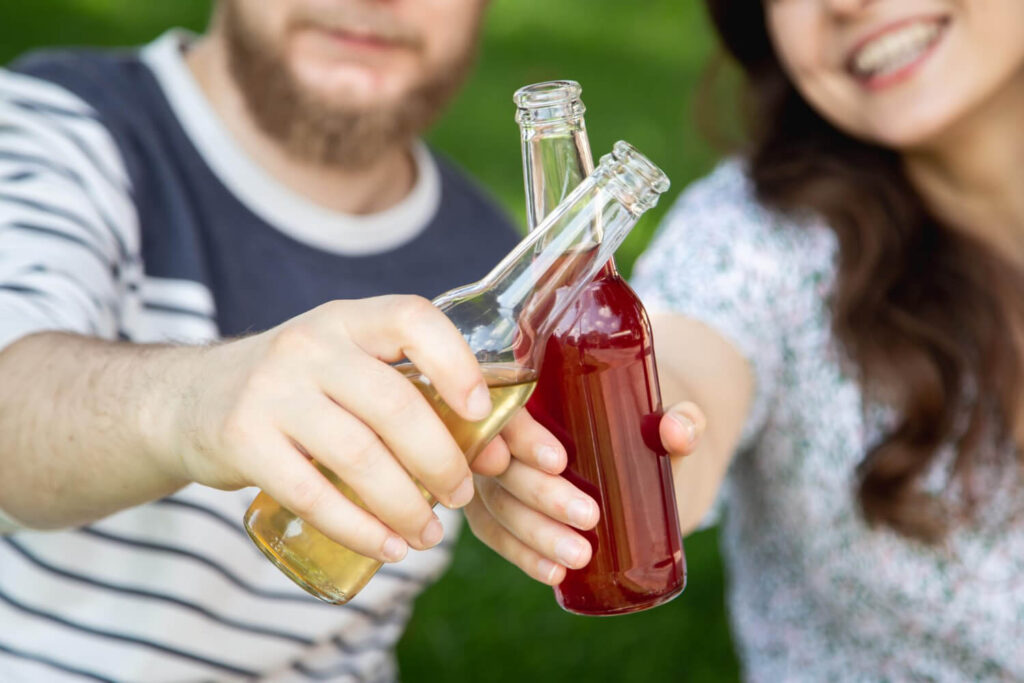
Consumers, increasingly fatigued by heavy beverages, are turning towards hop waters. In 2026, these drinks are evolving from simple carbonated hop-infused waters into complex hybrids combining wort bases, hop extracts, and intense fruit notes. We anticipate that the coming years will bring even deeper integration between the worlds of beer, juice, and kombucha.
There is significant potential in the use of wild yeasts for fermenting fruit-based matrices without producing alcohol, resulting in beverages with remarkable acidity, depth, and freshness.
Fourth: Premiumisation in gastronomy (fine dining)
Non-alcoholic beer is entering spaces previously reserved for expensive wines. High-end restaurants are developing dedicated non-alcoholic pairing menus, matching complex 0.0% sours or smoked non-alcoholic styles with refined tasting dishes. This shift is forcing brewers to work with premium ingredients and pursue a higher level of artisanal precision.
In summary, the future of non-alcoholic beer is exceptionally bright. It is no longer the poorer relative of traditional beer—it is the avant-garde of innovation in the beverage world, a space where the only limits are the imagination of brewers and the openness of consumers.