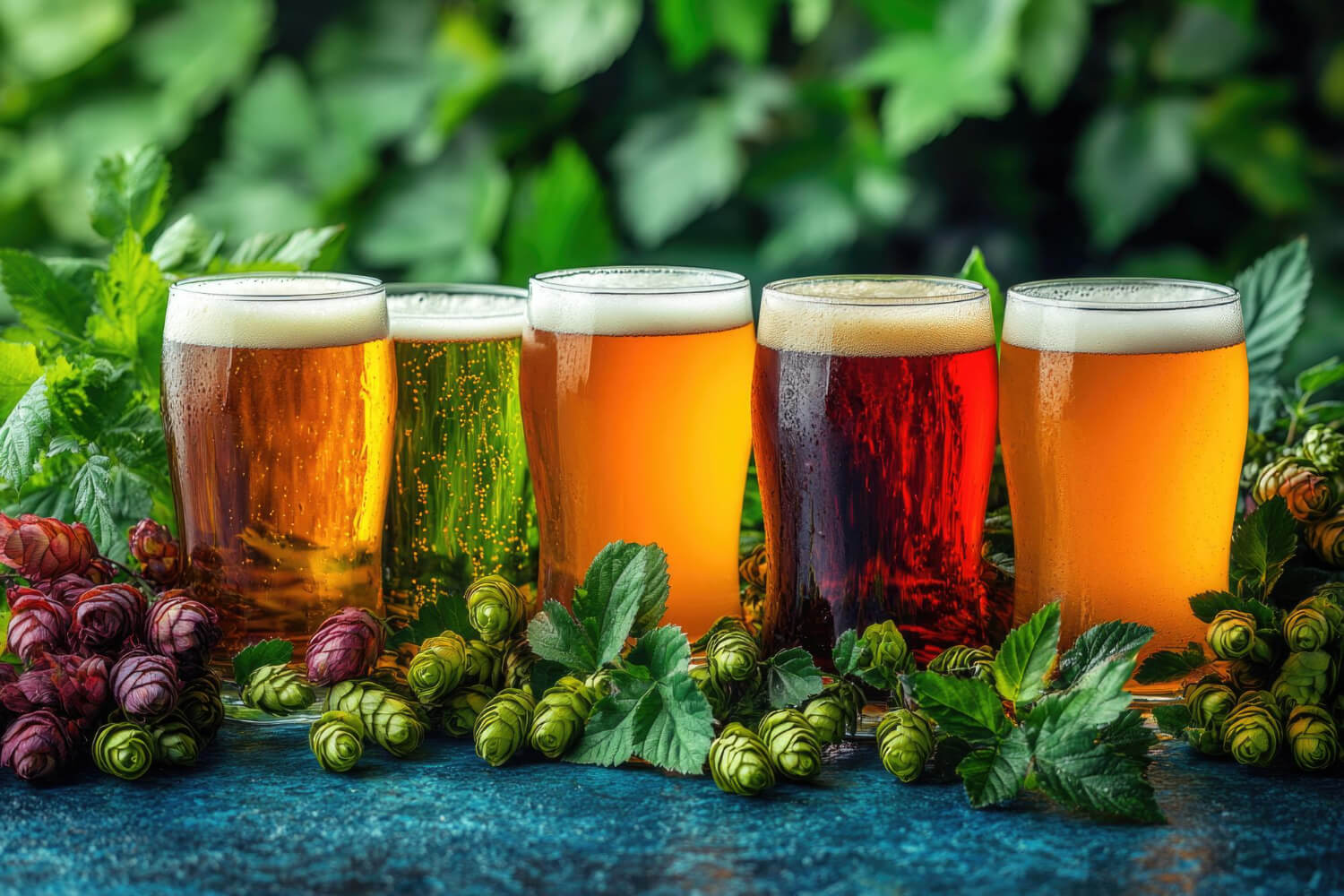
Judging a drink always starts with how it looks. Before we smell the bouquet of aromas and taste the drink, our eyes have already made an initial assessment of the product. A question that often arises in the production process is: do fruit juice concentrates change the color of the alcohol? The answer is: definitely yes, and proper management of this process is the key to creating an aesthetic and appetizing product. Read our article and find out how fruit juice concentrates for alcohol affect its color!
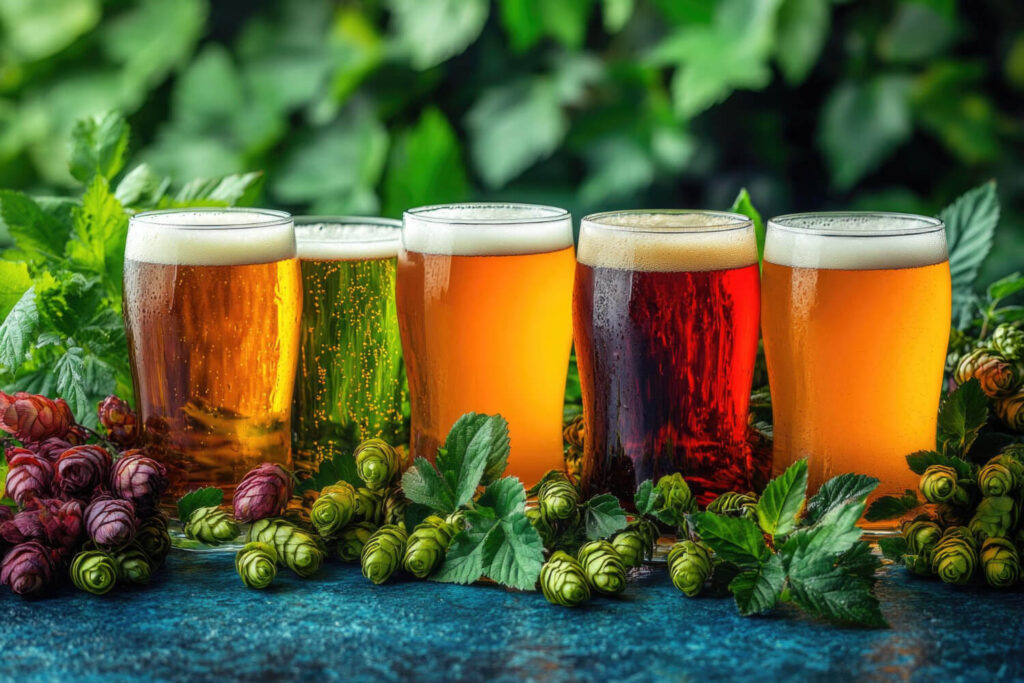
Why are some alcohols colored?
What gives alcohol its color depends on the type of drink and the stage of production. In the case of dark spirits, such as whiskey or aged rum, the color is mainly due to contact with an oak barrel.
On the other hand, light or neutral alcohols (such as pure vodka) naturally remain transparent. The colorful variants on the market owe their color to deliberate efforts by producers – the use of dyes, infusions of herbs, flowers or the addition of juices and concentrates.
Understanding what juice from concentrated juice is allows you to realize that it is the natural pigments contained in the fruit (anthocyanins, carotenoids) that are transferred to the distillate or wort, creating captivating colors – from deep ruby red to bright orange.
How does fruit juice concentrate for alcohol affect clarity and consistency?
In addition to the colour change itself, the impact on the structure of the drink plays a very important role as well. The addition of natural preparations often results in the formation of a characteristic haze, which is currently highly desired by consumers in the beer industry (e.g. Hazy IPA style or fruit sours). The standardized 70.5 brix concentrated juice ensures repeatable density, making it easier for brewers and distillers to predict the final consistency of the finished product.
The drink becomes more viscous and fuller in the mouth (so-called “mouthfeel”), which increases its drinkability. Equally important here are the differences between classic and concentrated juices – concentrates, due to the evaporation of water, introduce maximum color and flavor into the alcohol with minimal dilution of the alcohol base.
Which fruit juice concentrate flavors change the appearance of alcohol the most?
Not all fruits color with the same strength. Berries and stone fruits are among those with the strongest pigmenting effect. Blackcurrants, blueberries, blackberries and cherries can color even the lightest fruit juice concentrates for flavored vodka into deep, purple shades.
Tropical fruits, such as mango or passion fruit, give an intense, sunny, yellow-orange color, perfect if we use fruit juice concentrates for beer. Light fruits, such as apple or white grape, slightly modify the hue towards straw-colored, leaving the drink relatively clear.
How to color alcohol to achieve the desired visual effect?
Food technologists often face the dilemma of how to add color to alcohol in a natural and stable way. Consumers reject artificial colors. So how do you color alcohol? The best, clean label method is concentrates. Remember that when choosing which juice to use for fruit beer, we introduce not only the color, but also sugars and organic acids into the drink.
This is a comprehensive solution the benefits of which are recognized by many experts asking whether concentrated juices are the future of brewing. As a renowned producer of fruit juice concentrates for alcohol , we guarantee color stability in our products, which makes it easier to plan the final image on store shelves and makes each bottle look equally appealing.
1 Comment
Comments are closed.
How to avoid uncontrolled refermentation in fruit beer?
2026-08-24 at 11:59[…] The effect of fruit on colour and clarity must also be taken into account. Changes occurring during storage may result not only from fermentation, but also from oxidation, polyphenol reactions and the natural instability of pigments. Further information is provided in the article on how fruit concentrates affect the appearance of beer. […]