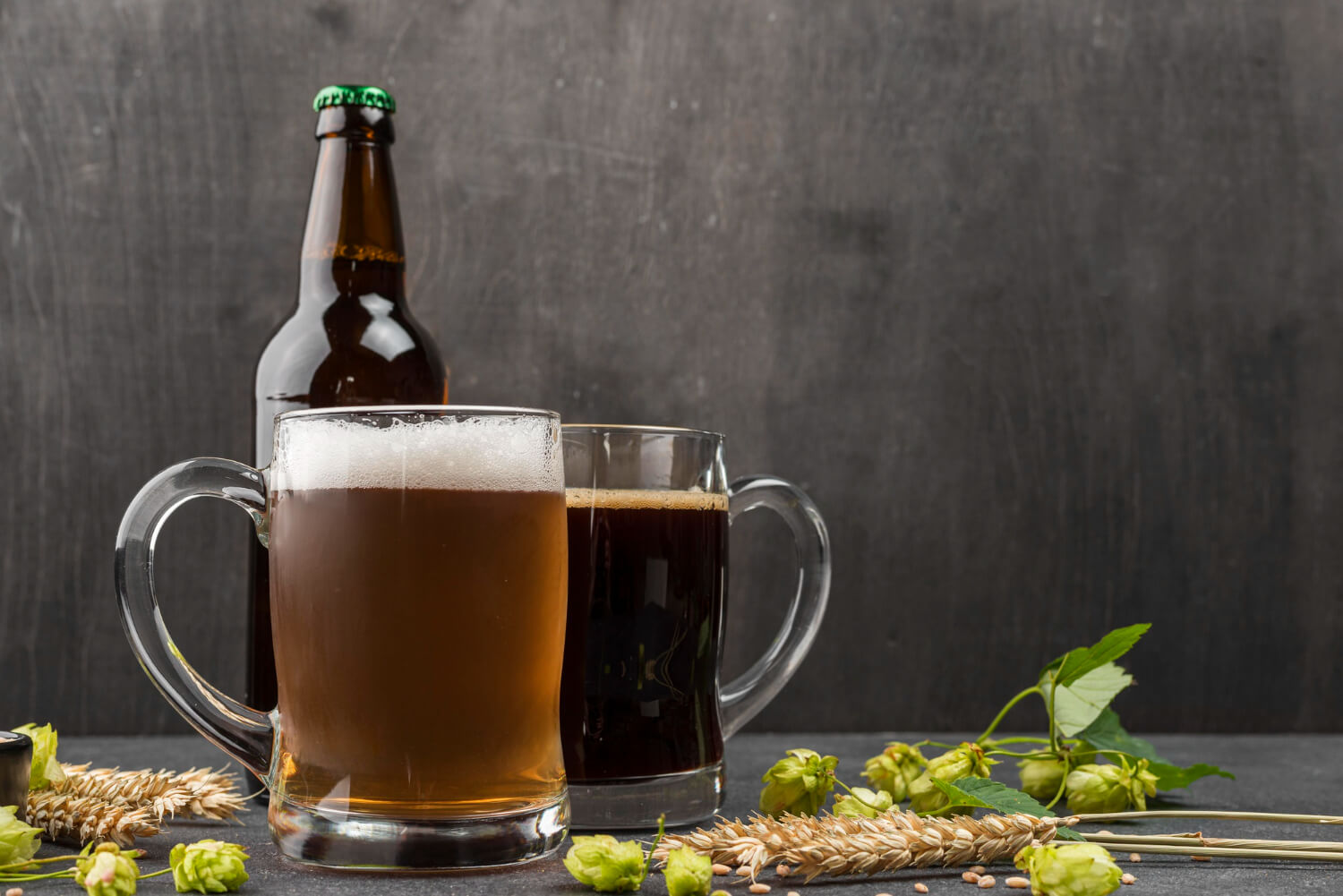
For decades, the brewing industry was a prisoner of the calendar. In winter, shelves were dominated by dense, tar-like, warming Imperial Stouts and Baltic Porters, while with the first rays of May sunshine breweries would switch en masse to brewing light Pilsners, refreshing Witbiers, and fruity Sours. Seasonality dictated both production schedules and marketing strategies. However, 2026 clearly demonstrates that the non-alcoholic beer segment is escaping these rigid, traditional rules, forming its own unique lifecycle within the market. Non-alcoholic beer is no longer merely a summer “thirst-quencher” for drivers—it has become a year-round lifestyle choice.
Dry January and Sober October – new beer sales peaks 0.0%
It is worth noting that this revolution began with movements such as Dry January and Sober October. These initiatives transformed months traditionally considered “dead” for light beer sales into peak sales periods for 0.0% variants. In 2026, we are seeing consumers actively seeking non-alcoholic beers in the middle of winter with the same enthusiasm as during July heatwaves.
The difference lies in the evolution of styles. Craft breweries are successfully introducing winter hits: non-alcoholic stouts aged with oak chips, as well as variants infused with coffee, chocolate, or warming spices. The absence of alcohol does not diminish the enjoyment of roasted, chocolate-forward profiles after a day on the slopes or during long winter evenings.
Non-alcoholic summer beers – from radlers to fruity variants 0.0%
On the other hand, the summer season has also undergone a transformation. Traditional sweet radlers are gradually giving way to more refined non-alcoholic fruit beers (such as Pastry Sours or 0.0% Fruit Ales), where refreshment is driven by genuine fruit acidity rather than large amounts of added sugar. How do juices give beer a seasonal character?
Once again, this brings us back to the role of natural ingredients—non-alcoholic fruit beers have become a summer alternative to lemonades or iced teas. People choose them for the beach, for cycling, and for picnics—not because they “cannot” drink alcohol, but because they are actively choosing a healthier, flavour-rich product.
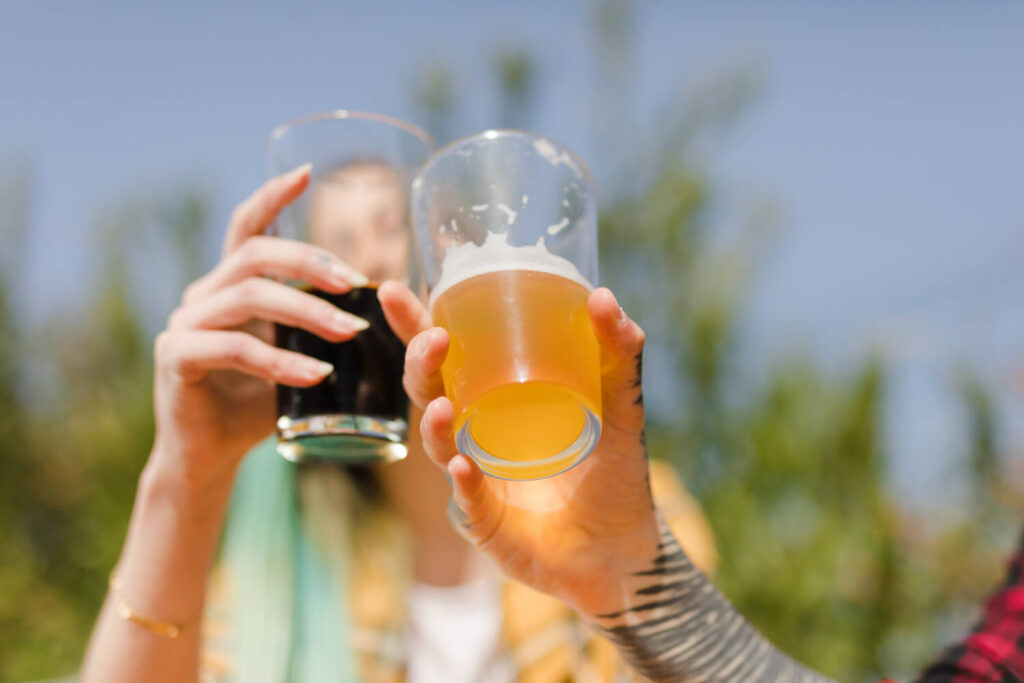
Deseasonalization of non-alcoholic beers as an opportunity for breweries
This de-seasonalisation of non-alcoholic beer in 2026 is excellent news for breweries, as it ensures a stable cash flow throughout the year. It also means that production planning no longer needs to rely on sharp external temperature-driven demand spikes.
A consumer who has found their preferred non-alcoholic IPA equivalent will return to it regularly, treating it as part of their everyday diet and relaxation, regardless of whether it is snowing or sunny outside. The end of calendar dictatorship marks the beginning of a golden era of choice freedom, with the no/low alcohol (no-lo) market as a key beneficiary of this cultural shift.